CT regular car study set
Connecticut Road Signs and Signals Practice Questions
30 Connecticut regular car questions on road signs and signals, each with the correct answer and an explanation from the DMV handbook.
Road Signs and Signals questions
-
1. What does this sign require you to do?
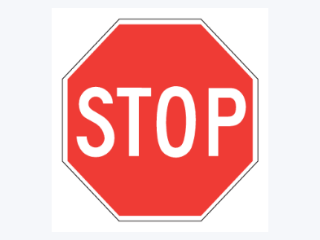
Answer: A — Come to a complete stop and proceed only when it is safe
A STOP sign requires a complete stop before the stop line, crosswalk, or intersection, every time.
-
2. What must you do before entering the intersection at this sign?
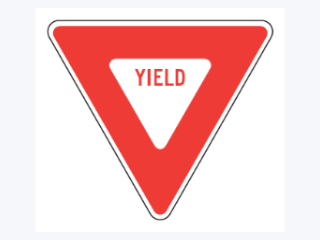
Answer: C — Slow down and give the right of way to traffic and pedestrians
A YIELD sign means slow down, be ready to stop, and let other traffic or pedestrians go first.
-
3. You see this sign facing you as you approach a roadway. What does it mean?
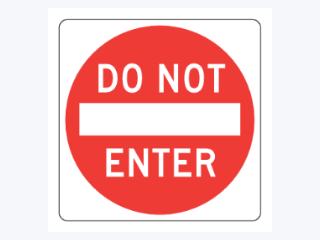
Answer: B — Do not enter this roadway
A DO NOT ENTER sign marks a roadway you must not drive into, such as an exit ramp or a one-way street from the wrong end.
-
4. What should you do if you see this sign while driving?
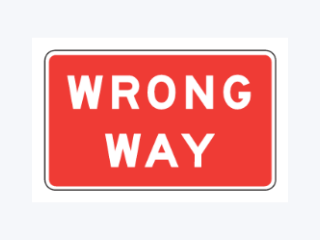
Answer: A — Stop and turn around because you are travelling against traffic
A WRONG WAY sign means you are heading against oncoming traffic and must stop and turn around immediately.
-
5. Which manoeuvre is not allowed where this sign is posted?
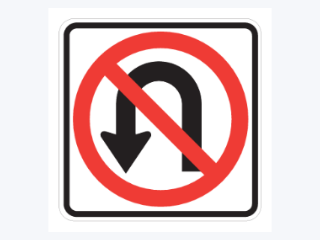
Answer: C — Making a U-turn at this location
This regulatory sign forbids U-turns where it is posted.
-
6. Which turn does this sign prohibit?
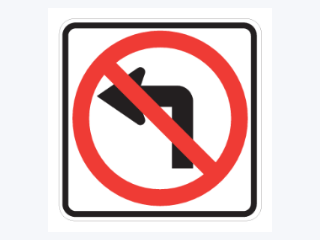
Answer: B — Left turns are not permitted here
A red circle and slash over a left-turn arrow prohibits left turns at that location.
-
7. Which movements does this sign prohibit?
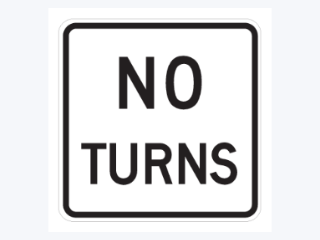
Answer: A — No turns of any kind are allowed here
This sign prohibits turning in any direction at the location where it is posted.
-
8. What manoeuvre does this sign forbid?
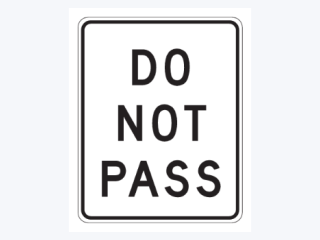
Answer: C — Passing other vehicles is prohibited in this zone
A DO NOT PASS sign marks a stretch of road where passing is prohibited.
-
9. What does this pennant-shaped yellow sign on the left side of the road mark?
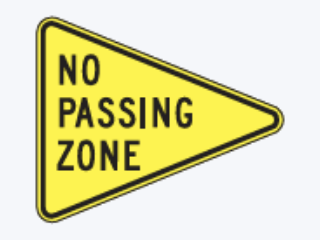
Answer: B — The beginning of a no-passing zone
The pennant-shaped no-passing sign is posted on the left side of the road to mark the start of a no-passing zone.
-
10. What does this sign establish?
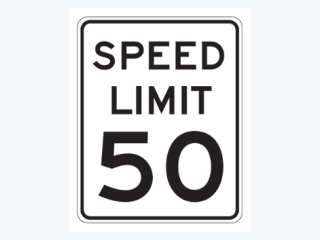
Answer: A — The maximum lawful speed under ideal conditions
A posted speed limit is the maximum lawful speed in good conditions; you must drive slower when conditions require it.
-
11. Which side of the obstruction ahead must you pass?
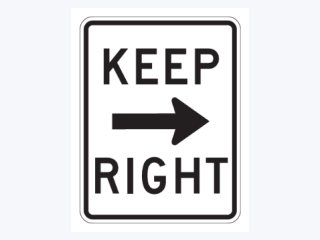
Answer: C — Keep to the right of the divider or obstruction ahead
A KEEP RIGHT sign directs traffic to pass to the right of an island, median, or obstruction.
-
12. Which way must you pass the divider ahead?
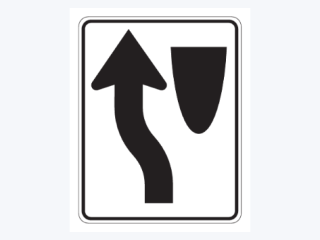
Answer: B — Pass to the left of the obstruction ahead
A KEEP LEFT sign directs traffic to pass on the left side of a divider or obstruction.
-
13. What does this sign tell you about the roadway?
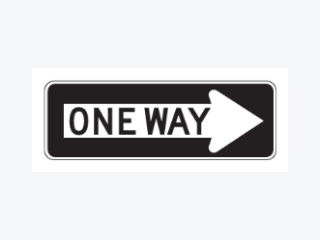
Answer: A — Traffic flows in one direction only, to the right
A ONE WAY sign shows the single permitted direction of travel on that roadway.
-
14. What must drivers in this lane do?
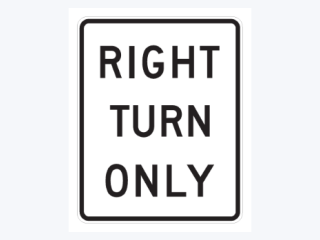
Answer: C — Turn right
A right-turn-only sign restricts the lane to right turns; you must select a different lane to go straight.
-
15. What does this lane-use sign require?
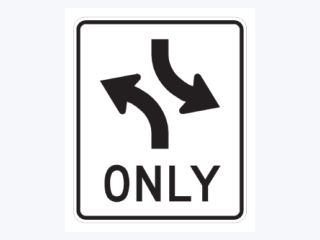
Answer: B — Vehicles in this lane must turn left
A left-turn-only lane sign means every vehicle in that lane must turn left.
-
16. What does this overhead sign show?
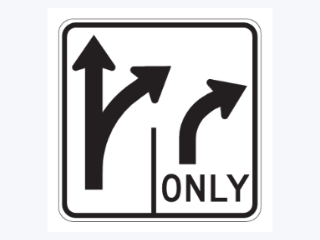
Answer: A — Which movements are allowed from each lane
Lane-use control signs show the turns or through movements permitted from each individual lane.
-
17. What may you not do at this location?
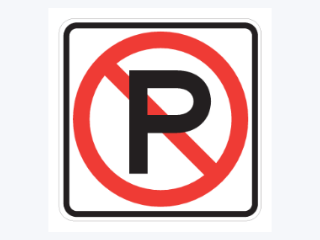
Answer: C — Parking at this location
A NO PARKING sign prohibits leaving a vehicle parked at that location.
-
18. What does this sign mean for the roadway to its left?
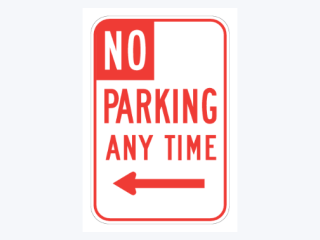
Answer: B — Parking is prohibited there at all times
A no-parking-any-time sign with an arrow bans parking at all hours along the direction the arrow indicates.
-
19. What does the arrow-marked lane control sign with a U-turn symbol crossed out indicate?
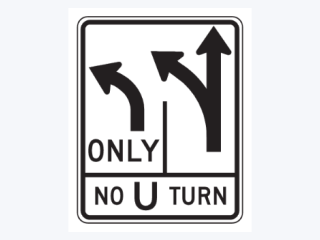
Answer: A — The lane is for turning only and U-turns are not permitted
This combination tells drivers the lane is a turn lane but that U-turns from it are prohibited.
-
20. What shape and colour identifies most warning signs?
Answer: C — A yellow diamond
Warning signs are usually diamond-shaped with a yellow background and black lettering or symbols.
-
21. What is ahead when you see this sign?
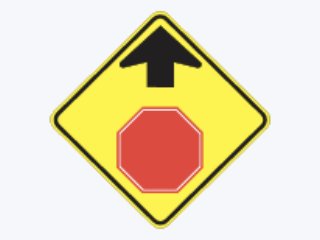
Answer: B — A stop sign is ahead
A STOP AHEAD warning sign gives advance notice of a stop sign that may be hard to see.
-
22. What will you have to do shortly after this sign?
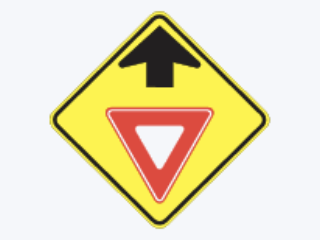
Answer: A — A yield sign is ahead
A YIELD AHEAD sign gives advance warning that you will have to yield shortly.
-
23. What traffic control is ahead when you see this sign?
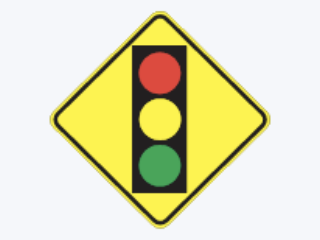
Answer: C — A traffic signal is ahead
A SIGNAL AHEAD sign warns of a traffic light that may be obscured by a curve or hill.
-
24. What will happen to the lanes ahead?
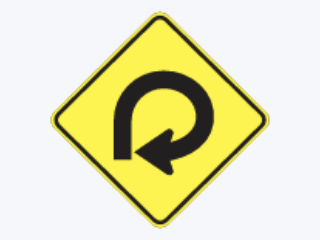
Answer: B — Two lanes will merge into one
A merge sign warns that traffic from another lane or roadway will join yours, requiring you to adjust speed and space.
-
25. Why does this sign mean you need not merge?
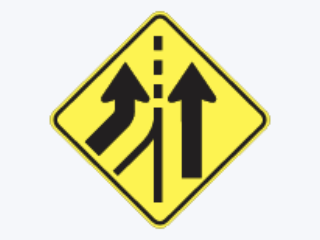
Answer: A — A lane is being added, so merging is not required
An ADDED LANE sign means entering traffic gets its own lane, so drivers already on the road need not merge.
-
26. What is about to happen to your lane?
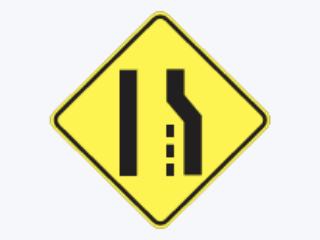
Answer: C — The lane you are in ends ahead
A LANE ENDS sign warns that your lane will end and you must merge with adjacent traffic.
-
27. What action does this sign call for?
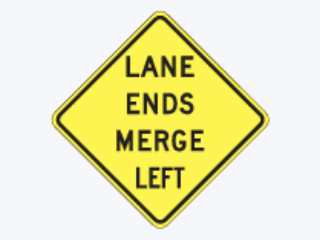
Answer: B — Merge to the left because the right lane is ending
This sign warns that the right lane ends and traffic must merge left.
-
28. What separates opposing traffic after this sign?
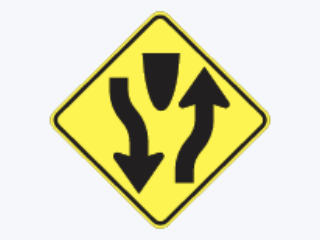
Answer: A — A divided highway begins, with a median separating opposing traffic
A divided-highway sign warns that the roadway splits into separate directions with a median between them.
-
29. What change in traffic flow does this sign warn of?
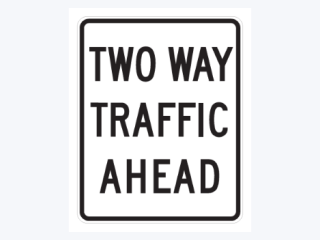
Answer: C — The divided road ends and you will meet oncoming traffic
This sign warns that the median ends and traffic will begin travelling in both directions on the same roadway.
-
30. What does this sign tell you about the traffic on this road?
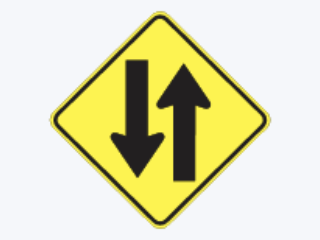
Answer: B — You are on a road carrying traffic in both directions
A two-way traffic sign reminds drivers that opposing traffic shares the roadway.
Questions about this study set
How many road signs and signals questions are on this page?
30, each with the correct answer and an explanation drawn from Connecticut's regular car handbook.
Are these the real CT DMV questions?
No. These are practice questions written from the DMV handbook. They cover the same rules the official test draws on, but the wording is ours.
Where can I take a full Connecticut practice test?
The Connecticut state page lists full-length timed tests for every licence type and applicant path.